Changes are managed in email and Excel
Proposals, clarifications and approvals are scattered. It becomes difficult to see what has been decided and who needs to follow up.


PLM for Norwegian industry
Take control of changes, quality, product information and workflows throughout the product lifecycle.
Connect engineering, purchasing, quality and production through shared processes. Cloud-based PLM makes responsibilities, status and decisions visible – from the first change proposal to delivery and service.
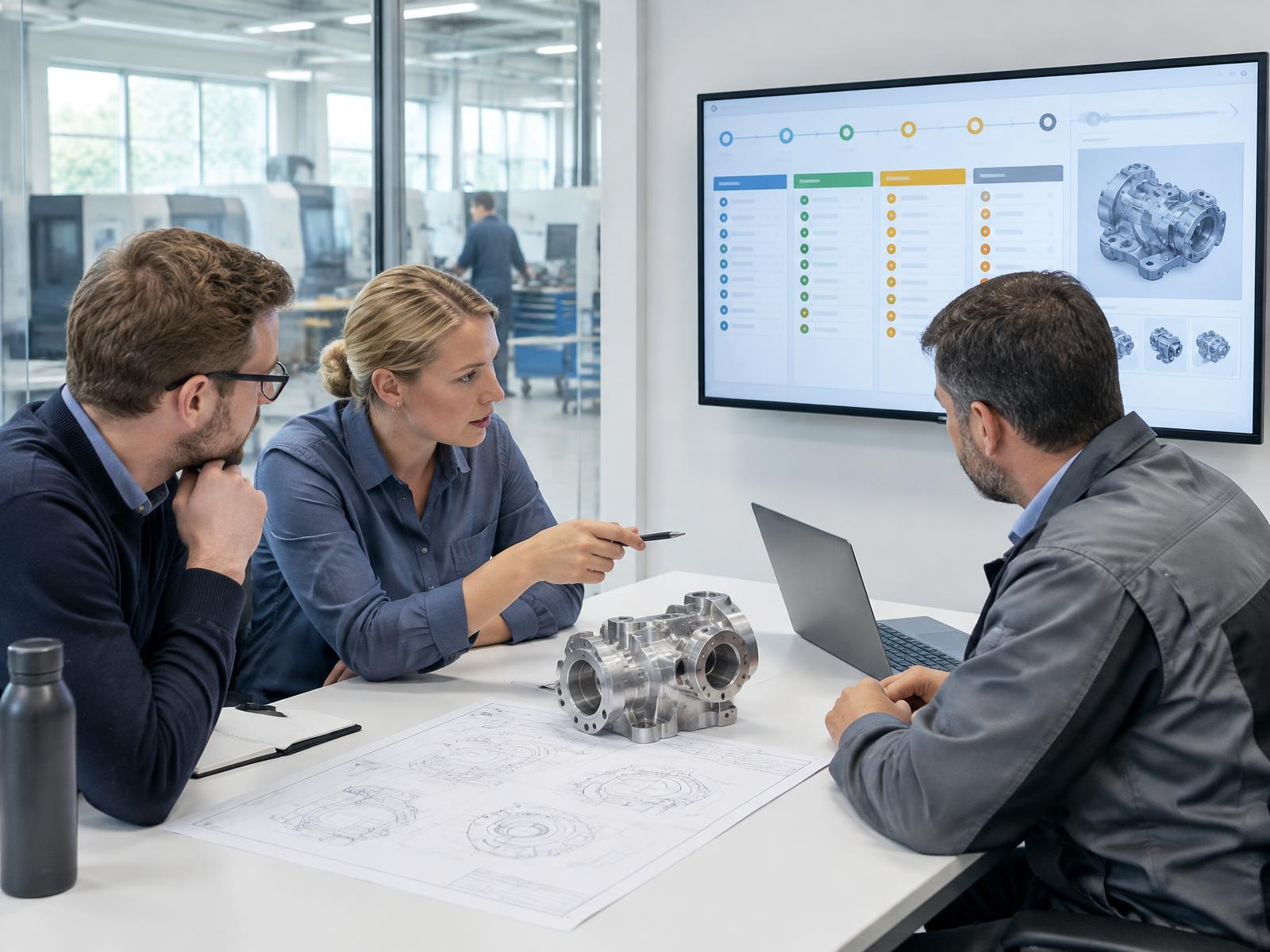
When processes are disconnected
Product data already exists. The challenge is keeping information, responsibilities and decisions together when multiple departments need to contribute.
Proposals, clarifications and approvals are scattered. It becomes difficult to see what has been decided and who needs to follow up.
The rationale for a change and its impact assessment get lost between meetings and handovers.
Non-conformances are recorded in one place, actions in another. Responsibilities and deadlines have to be chased up before the case can be closed.
Engineering knows about the change, but purchasing, production and service are not necessarily informed in time.
Items, bills of materials and status information are maintained in multiple places. Manual data entry creates a risk of conflicting information.
It takes time to bring specifications, product structure and decision history together into a reliable basis for decisions.
Product Lifecycle Management
PLM stands for Product Lifecycle Management – managing the lifecycle of a product. It is about how product information and workflows connect, from concept and development to production, use and service. Who owns the information, who needs to approve a change, and what must happen before it can be implemented?
PDM controls engineering data such as CAD files, drawings and revisions. PLM builds on this with processes across the business: changes, quality, product structure, projects and collaboration. Autodesk Fusion Manage provides a shared, cloud-based environment where these processes can be tailored to the way you work.
PLM does not replace CAD, PDM or ERP. Its value comes from clear roles, good data and connected workflows – not from bringing everything into one system.
From product data to action
Start with the process that causes the most friction. Expand once responsibilities, data and workflows work in practice.
Change management
Bring change requests and change orders together with impact assessments, responsibilities and approvals. Involve affected departments before the change is released.
More reliable changes with a documented basis for decisions.
Quality management
Track non-conformances from registration through root cause analysis, actions and closure. Link quality cases to the product and make follow-up visible to those responsible.
More systematic follow-up of and learning from non-conformances.
Bill of materials management
Organise items and product structures with revisions and links to the change process. Define how the bill of materials is updated from PDM and transferred to ERP.
More consistent product data for purchasing and production.
Project management
Link product development to activities, milestones and deliverables. View status and dependencies in configured project workspaces.
A clearer overview of what needs to be ready – and who is following up.
Collaboration
Enable engineering, quality, purchasing and selected external partners to contribute to the same process. Roles and permissions control access to information and tasks.
Fewer handovers and less clarification across parallel copies.
Product information
Bring together product records, properties, document references and lifecycle status. Link the information to product structures and processes, with clearly defined data ownership across systems.
A shared basis for product decisions throughout the lifecycle.
The business value of PLM
Changes and non-conformances follow a defined process with assessment, approval and follow-up.
Less risk of errors recurring or being carried forward with the product.
Tasks, status and responsibilities are brought together rather than coordinated through email, spreadsheets and manual status checks.
More time for value-adding work and less time chasing answers.
Decisions and process history are linked to the product, change or quality case.
Easier to understand what happened and document the rationale afterwards.
Departments are involved in the same workflow, with clear roles and access to relevant information.
Better handovers between engineering and the rest of the business.
Structured processes and accessible product knowledge make it easier to reuse lessons learned and address new requirements.
A stronger foundation for product development, delivery capability and further growth.
The entire product lifecycle
PLM connects technical information to decisions and workflows. It puts data in context from design through to delivery and follow-up.
Models and drawings are developed in engineering.
Design data, revisions and supporting documentation are controlled.
Changes, quality and product processes are coordinated.
Items and bills of materials are used for purchasing and planning.
The product is built using the current documentation.
Experience and non-conformances provide a basis for improvement.
The value chain shows the connections, not a mandatory sequence of systems. PDM can also connect directly to ERP. Integrations, data ownership and transfer rules are established and tested separately.
Connect processes to product data
Fusion Manage forms part of a wider solution with PDM, document sharing and ERP. We clarify which data should be shared, who owns it and when it should be updated.
Connect controlled items, product structures and document references from engineering to change processes in PLM.
Read more
A managed Vault environment can provide the PDM foundation for PLM. Connectivity, networking and synchronisation are agreed with IT.
Read more
Align process control with project information and document sharing. Publishing and linking document references are tailored to your needs.
Read more
Evaluate connections between engineering and business systems based on system support, data flows and the needs of PLM and ERP processes.
Read more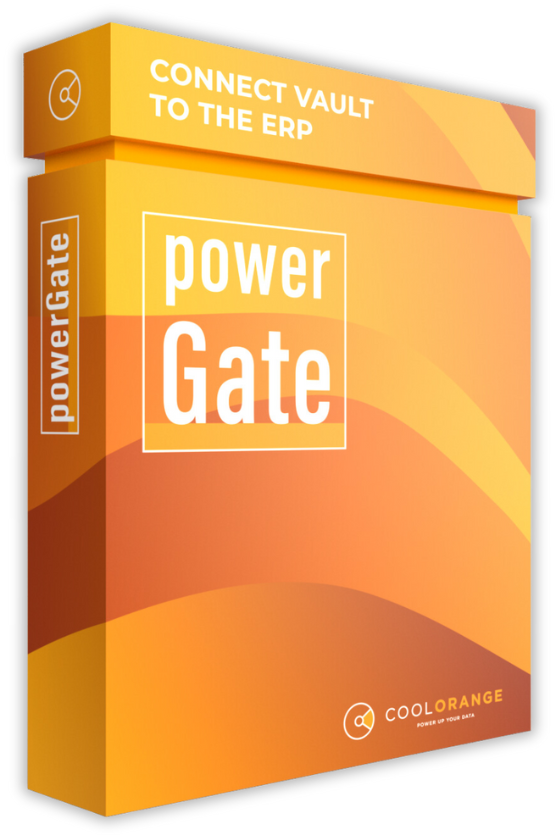
Connect Vault data to ERP as part of the overall solution. Interfaces and data ownership are defined when both PDM and PLM are part of the value chain.
Read moreThe list shows solutions that can form part of the same systems landscape, not ready-made connections automatically included with Fusion Manage. Support, licences, synchronisation, validation and error handling are assessed before implementation.
Bringing processes and technology together
We start with workflows, not screens. The goal is a solution that works for every department contributing to the product.
25+ years of experience with Autodesk in Norwegian industry. Autodesk Platinum Partner through Cadac Group.
We map change, quality and approval processes before configuring roles and workflows.
CAD, PDM, PLM, ERP and automation are assessed together, with clear data ownership.
Practical training and testing with real cases help departments adopt the processes.
Consulting, support and ongoing development as workflows and needs change.
Customer story
Effective collaboration means information reaches the people who need it. Scanship describes the value of working with Cadnor.
«We had an example where our mechanical department went from days to hours on a production job. With Cadnor, we have improved information flow and ensured that we work dynamically with all the different departments in the company.»
 Knut Gaard
This reference concerns information flow and collaboration with Cadnor, not a documented Fusion Manage implementation.
See more customer storiesFrom requirements to everyday use
Identify bottlenecks, responsibilities and the desired process before choosing a configuration.
Tailor workspaces, roles, statuses and approval workflows.
Map product information and establish a reliable foundation for PLM.
Connect product data and processes with validation and clear data ownership.
Train users and process owners using their own changes and quality cases.
Monitor day-to-day use and adjust processes as the business develops.
Let’s look at how you manage changes, quality and product information today – and where PLM can improve control and collaboration.